
Losing a colony after months of effort is every beekeeper’s worst nightmare. Whether you’re starting out or expanding your apiary, choosing the right nucleus colony (nuc) is one of the most critical decisions you’ll make. A weak or poorly bred nuc can struggle to establish itself, leaving you with low honey yields, constant interventions, and even colony collapse.
A well-selected nuc, however, sets your hive up for long-term success. It ensures a strong, disease-resistant colony that thrives in the UK climate, maximising both pollination and honey production. This guide will walk you through key factors to consider, helping you invest in a healthy, productive honey bee nucs for sale.
You can explore our current selection of bee nucs for sale, with each colony raised to ensure strong, healthy hive development.
Understanding What a Nucleus Colony Is
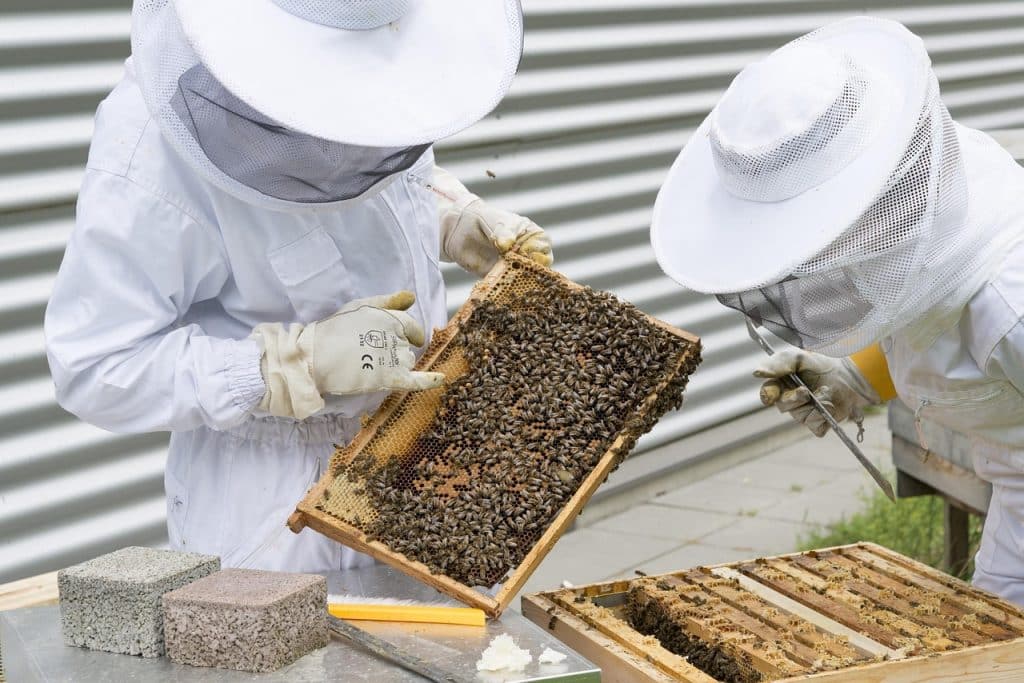
A nucleus colony (nuc) is a small but fully functioning bee colony designed to grow into a full-sized hive. Unlike package bees—where you receive a box of loose bees with a caged queen—a nuc comes with an established brood, food stores and an active laying queen. This head start makes a nuc the best option for beekeepers looking for a strong, self-sustaining colony.
Components of a High-Quality Nucleus Colony
A well-formed nuc typically consists of:
- Five frames – A balanced mix of brood, food stores and bees.
- A mated, healthy queen – Actively laying eggs, ensuring steady colony growth.
- Worker bees of various stages – From nurse bees tending the brood to foragers gathering nectar.
The quality of these elements determines how well your colony will establish itself. A weak nuc with a poorly mated queen or insufficient stores will struggle to expand, making it more vulnerable to disease and environmental stress.
Why a Well-Established Nuc Matters
Starting with a strong nuc reduces the risk of colony failure. A well-balanced nuc:
- Adapts faster to a new hive and builds up population quickly.
- Has a proven queen, already accepted by the workers.
- Contains sufficient food reserves, reducing immediate feeding needs.
For UK beekeepers, choosing a buy nucs UK option from a locally bred source is even more critical. Locally adapted bees are better suited to the climate and forage conditions, improving survival rates and productivity.
Factors to Consider When Choosing a Nucleus Colony
Selecting the right nucleus colony is essential for a strong, productive hive. A poor-quality nuc can lead to weak colony growth, disease issues and even colony loss. To ensure success, consider three key factors: the queen’s health and genetics; the frame composition; and the source of the nuc.
The Queen’s Health and Genetics
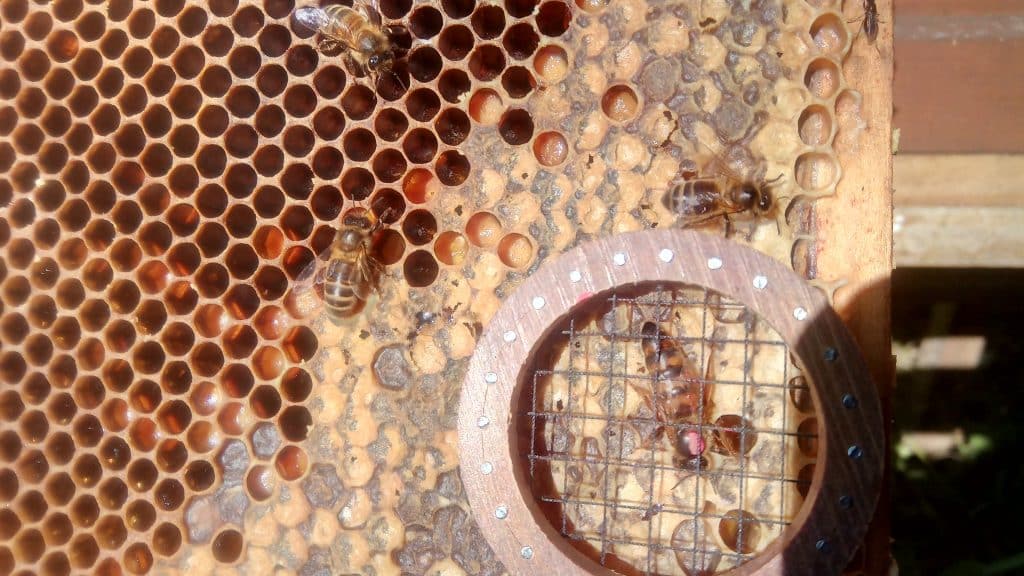
The queen is the heart of the colony, determining its temperament, productivity, and resilience. A high-quality nuc should come with a mated, overwintered bee nucs queen. Overwintered queens have survived through colder months, proving their strength and genetic stability. They also begin laying earlier in the season, giving the colony a strong head start.
Locally bred queens are better adapted to the UK’s climate and forage conditions than imported queens, which may struggle with temperature fluctuations and local pests. British-bred queens also reduce the risk of introducing foreign diseases into your apiary.
When inspecting a nuc, look for these signs of a healthy, productive queen:
- A solid brood pattern, with minimal gaps, indicating she is laying consistently.
- Worker bees showing calm and organised behaviour, suggesting they accept and support her.
- Fresh eggs and larvae are present in different stages, proving she is actively laying.
Frame Composition and Strength of the Colony
A well-balanced nuc should contain five frames with a good mix of brood, food stores, and worker bees. The ideal frame distribution includes:
- 2–3 frames of brood in various stages (capped, larvae and eggs), ensuring continuous colony growth.
- 1–2 frames of food stores (nectar, honey and pollen) to sustain the colony as it establishes in the new hive.
- A strong bee population, including foragers, nurse bees and newly emerging workers.
A weak nuc may have:
- Patchy or irregular brood patterns, which could indicate a failing queen or disease.
- Too many empty cells, showing poor laying behaviour or an unbalanced workforce.
- A low bee population, making the colony vulnerable to robbing (by invading bees) or slow expansion.
A strong nuc will expand quickly once transferred to a full-sized hive, while a weak one may struggle to build up before winter.
Source of the Nucleus Colony
Buying from a reputable local beekeeper is the best way to ensure a high-quality nuc. Local beekeepers prioritise disease-free, ethically bred bees suited to the UK environment. Avoid imported nucs, as they may introduce pests such as Varroa mites or European Foulbrood.
Before purchasing, ask the supplier about:
- The queen’s origin and breeding history.
- The colony’s health records and any previous treatments for pests or diseases.
- How long the nuc has been together – a newly assembled nuc may not be as stable as one that has had time to develop.
Timing Your Purchase for Best Results
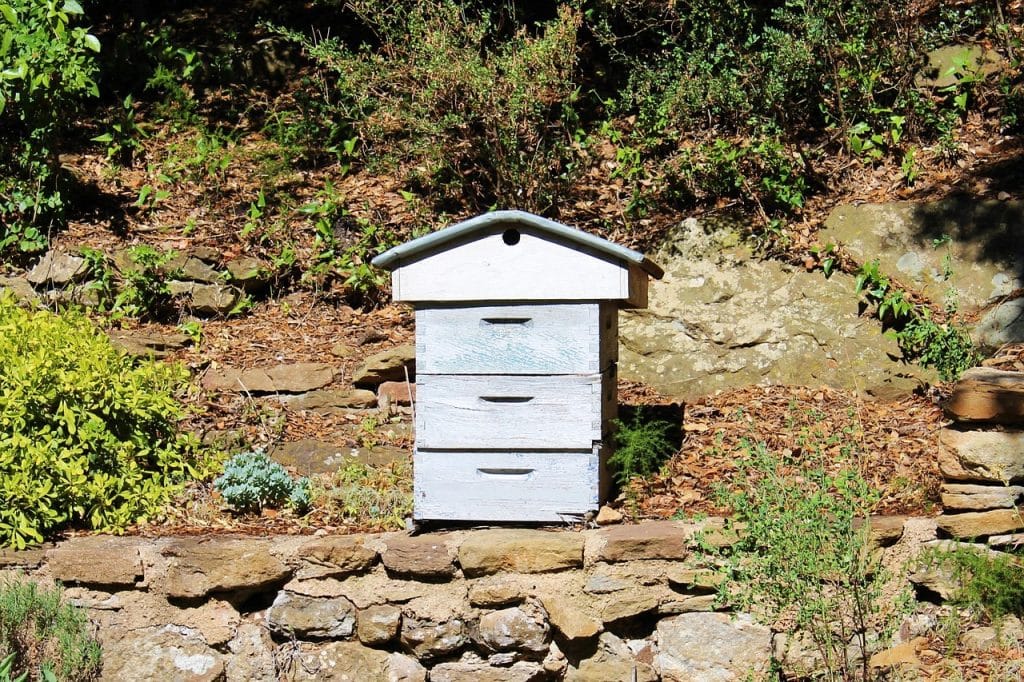
The period of time when you buy a nucleus colony plays a crucial role in its success. The right timing ensures your bees have enough time to establish, build up numbers, and store food before winter. Spring is the ideal time to purchase a buy nucs UK, typically between April and June.
Best Seasons to Buy a Nuc
Spring is the ideal time to purchase a nucleus colony, typically between April and June. During this period, nectar flow increases, temperatures rise and the colony has enough time to grow before colder months set in. Buying in spring allows your bees to:
- Expand their numbers steadily, reducing the risk of a weak hive in winter.
- Take full advantage of the main honey flow for better productivity.
- Establish a strong queen, ensuring a steady brood cycle.
Summer purchases (July or later) come with challenges. The colony has less time to build up, meaning you may need to provide additional feeding and support. If the queen is newly mated, she may take longer to settle, delaying colony expansion.
How Weather Affects Colony Development
UK weather patterns can be unpredictable, and a cold or wet spring may delay bee activity. If temperatures are too low, the queen may slow her laying rate, and foraging opportunities become limited. When buying a nuc, check that it has a well-developed brood nest and adequate food stores to sustain itself if bad weather strikes.
Early Season Purchases vs Late Season Challenges
Consider a beekeeper who buys a nuc in May. By July, the hive has expanded, worker bees are actively foraging, and honey stores are building up. Compare this to someone purchasing in late July—the colony has little time to strengthen before autumn, requiring extra feeding and protection to survive winter.
For the best results, plan ahead and purchase your nucleus colony early in the season.
Preparing for Your Nucleus Colony’s Arrival
A smooth transition from nuc to hive is essential for colony success. Poor preparation can lead to stress, queen loss or slow development. By setting up the hive correctly, providing the right care, and avoiding common mistakes, you give your bees the best possible start.
Hive Placement & Setup
Choosing the right hive location is crucial for colony stability and productivity. Place the hive in a sheltered spot, protected from strong winds and direct afternoon sun. A south or southeast-facing entrance allows bees to warm up early in the day, improving foraging activity.
Good ventilation prevents moisture build-up, reducing the risk of mould and disease. Ensure the hive is placed on a sturdy stand, keeping it off damp ground and away from predators such as mice. The stand should be level, slightly tilted forward to allow rainwater drainage. Avoid placing hives near heavy foot traffic or livestock, as disturbances can make bees defensive.
Initial Feeding and Care
A newly installed nuc may need supplemental feeding, particularly if nectar flow is low or weather conditions are poor. Provide a 1:1 sugar syrup solution to support brood rearing and encourage the colony to create honeycomb. If pollen sources are scarce, a pollen substitute can help maintain steady brood production.
Monitor the colony’s behaviour in the first few days. Bees should begin foraging quickly, and the queen should start laying. If there is excessive clustering at the entrance or erratic flight patterns, check for queen acceptance and signs of stress.
Common Mistakes to Avoid
- Transporting the nuc improperly – Keep it upright, secure, and shaded to prevent overheating.
- Installing frames too quickly – Allow bees time to settle before moving frames to avoid damaging the queen.
- Disturbing the hive too soon – Give the colony a few days to adjust before inspecting.
Indicators That the Colony is Thriving
A strong, successfully integrated colony will display:
- Active foraging – Bees should be regularly bringing in pollen and nectar within a few days. Different pollen colours on their legs indicate a variety of food sources.
- Consistent brood development – The queen should be laying in a clear pattern, with eggs, larvae and capped brood present across the frames.
- Steady colony expansion – Workers should be drawing out comb, filling frames with honey and pollen stores, and increasing their population.
- Calm behaviour – The bees should be settled and not overly aggressive or erratic when the hive is opened.
Setting Your Nucleus Colony Up for Success
Choosing the right nucleus colony is a crucial first step in building a strong, productive hive. A high-quality nuc with a healthy, well-mated queen and balanced frames of brood, stores and worker bees lays the foundation for long-term success.
Responsible beekeeping goes beyond the initial purchase—regular hive inspections, proactive health management and ethical sourcing all contribute to a thriving colony. Supporting local breeders and maintaining sustainable practices will benefit both your bees and the wider environment.
With careful planning and ongoing care, your nucleus colony will develop into a resilient hive, rewarding you with healthy bees and, in time, delicious honey.