
A well-prepared hive stand and foundation provide essential support for the colony, protecting it from damp conditions, predators and structural instability. Proper elevation ensures better hive health and makes inspections easier for the beekeeper. Choosing the right materials and setting up a stable base will help create an ideal environment for your bees.
If you’re ready to start your beekeeping journey, take a look at our full range of bee nucs for sale, all carefully prepared and ready for the season ahead.
Why Elevate the Hive?
Raising the hive off the ground is one of the simplest yet most effective ways to protect the colony. Direct contact with damp soil increases the risk of moisture buildup. An elevated hive also reduces the chances of pests such as ants, mice and slugs entering the hive, while deterring larger predators, which are known to scratch at hive entrances to feed on bees.
From a practical standpoint, elevating the hive makes routine inspections and honey collection easier. A raised hive reduces strain on the beekeeper’s back and provides better airflow underneath, helping regulate temperature and prevent condensation. Proper placement of your new hive also supports beekeeping North West UK practices.
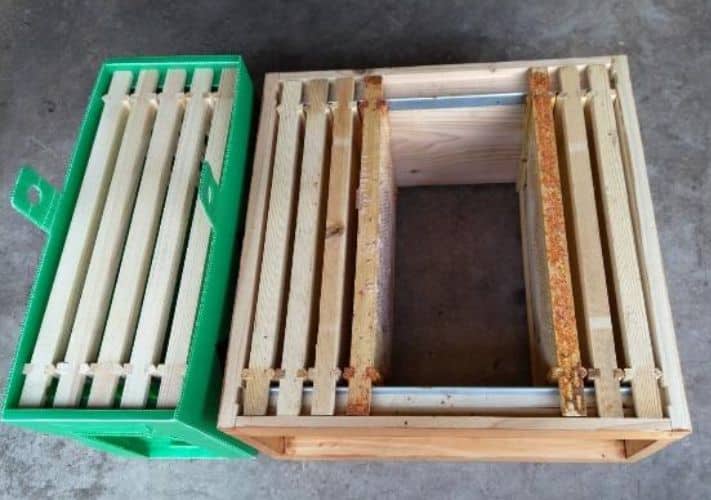
Best Materials for Hive Stands
A sturdy hive stand should be made from durable materials that can withstand the elements. Common options include:
- Cinder blocks: Affordable, stable and resistant to rot.
- Wooden pallets: Provides good elevation but should be treated to prevent decay.
- Metal stands: Long-lasting and resistant to pests, but should be rust-proofed.
Regardless of material, the stand should support the full weight of the hive, which increases significantly when filled with honey. Proper stands also allow smooth integration of nucleus colony setups for new beekeepers.
Ensuring Stability
A hive stand must be level and secure to prevent tipping, especially in windy conditions. Before placing the hive, ensure the ground is firm and compacted. If the surface is uneven, adding gravel or paving slabs can help create a stable base.
Check the stand periodically, especially after heavy rainfall or strong winds. A well-supported hive not only protects the colony but also makes hive management more efficient, particularly when managing overwintered bee nucs.
Setting Up the Hive for Bee Comfort
A well-prepared hive ensures that bees can thrive with minimal stress. Proper setup includes selecting the right hive type, ensuring good ventilation, securing the entrance against threats and installing frames correctly. These elements create a stable environment where bees can focus on foraging, brood production and honey storage.
Choosing the Right Hive Type
The choice of hive depends on your beekeeping goals, experience level and management style. The three most common hive types in the UK are:
- Langstroth Hive: The most widely used, consisting of stacked rectangular boxes with removable frames. Ideal for honey production and ease of management.
- Top Bar Hive: A horizontal hive where bees build comb on wooden bars. Requires less lifting but offers lower honey yields. Popular for natural beekeeping.
- Warre Hive: A vertical design similar to a hollow tree cavity, promoting a more natural bee environment. Less intervention but harder to inspect.
For beginners, Langstroth hives are recommended, and they pair well with buy nucs UK if establishing a new colony.
Proper Hive Ventilation
Ventilation is crucial to prevent condensation, mould growth and overheating. Without proper airflow, moisture can build up inside, leading to chilled or diseased bees.
Solutions for good ventilation include:
- Screened bottom boards – Improve airflow while helping to control Varroa mites.
- Ventilation holes or top entrances – Allow warm, moist air to escape.
- Slanted hive roofs – Prevent water accumulation and improve air circulation.
Adding Entrance Reducers
Entrance reducers help small colonies defend against robbing and regulate temperature in colder months. Remove them once the colony is strong enough. This setup supports successful honey bee nucs for sale integration in new hives.
Installing Frames and Foundation Correctly
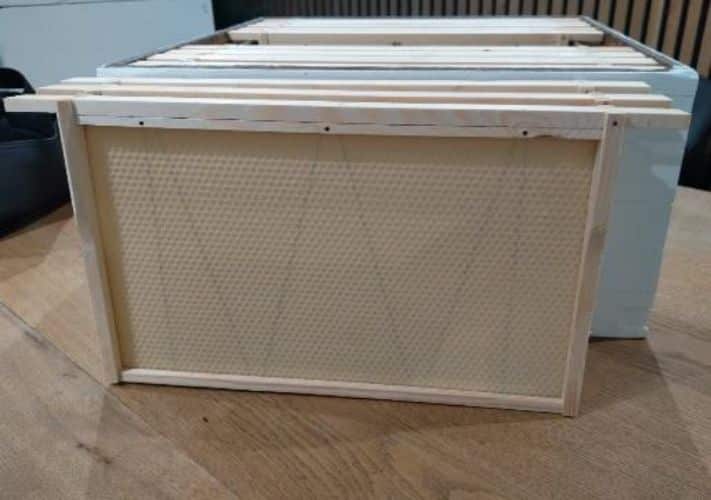
Proper frame installation ensures that bees build comb efficiently and in the right direction. Using wax-coated foundation sheets encourages quicker acceptance by the bees, allowing them to start drawing out comb faster.
Ensure frames are evenly spaced and fully secured inside the hive body. Cross-combing or misaligned frames can make inspections difficult and disrupt colony organisation. Regular checks will help prevent issues before they become a problem.
Water and Food Sources
Bees need reliable sources of water and food throughout the year. Without access to clean water and sufficient nectar, colonies can struggle, especially during dry spells or periods of low nectar.
Providing a Nearby Water Source
A consistent water source is essential for cooling the hive, diluting honey and feeding brood. Bees prefer shallow water sources where they can land safely without drowning.
Solutions:
- Shallow dishes or trays with floating corks, pebbles or twigs for bees to land on.
- A small garden pond or birdbath with gentle slopes for easy access.
- Drip irrigation systems or damp soil patches in warm weather.
Placing the water source near the hive prevents bees from seeking water in inconvenient places, such as neighbours’ swimming pools.
Supplemental Feeding
While natural forage is ideal, there are times when bees need extra food, especially during colony establishment or nectar shortages.
Feeding solutions:
- 1:1 sugar-water syrup in spring to stimulate brood production.
- 2:1 sugar-water syrup in autumn to help bees store food for winter.
Use internal feeders or mason jar feeders placed inside the hive to reduce robbing risks. Avoid feeding sugar syrup during honey flow periods to ensure bees collect natural nectar instead.
Providing consistent water and access to food supports the growth of a healthy and productive colony, ensuring strong bees throughout the year.
Helping Your Bees Thrive
Proper hive placement and setup are essential for maintaining a healthy and productive bee colony. By selecting the right location, ensuring good ventilation, providing adequate food and water, and protecting the hive from predators and pests, beekeepers can create an optimal environment for their bees to thrive. Regular maintenance and inspections further support colony health and prevent common issues such as swarming and disease.
New beekeepers should be willing to learn and adapt while following best practices. Joining a local beekeeping association can provide valuable guidance, support and hands-on experience to help navigate the challenges of beekeeping successfully.