
If you’re a UK or EU beekeeper looking to start or expand your apiary, the European Honey Bee (Apis mellifera) is the ideal species. All major strains kept in the UK — including British Black (A. m. mellifera), Carniolan (A. m. carnica) and Buckfast — share the same species-level advantages: adaptability, resilience and strong honey production. Whether you’re looking to buy queen bees, invest in nucs for sale in the UK or start with a full colony, this guide explains the key differences between the main strains and what to expect when buying.
What Makes European Honey Bees Exceptional
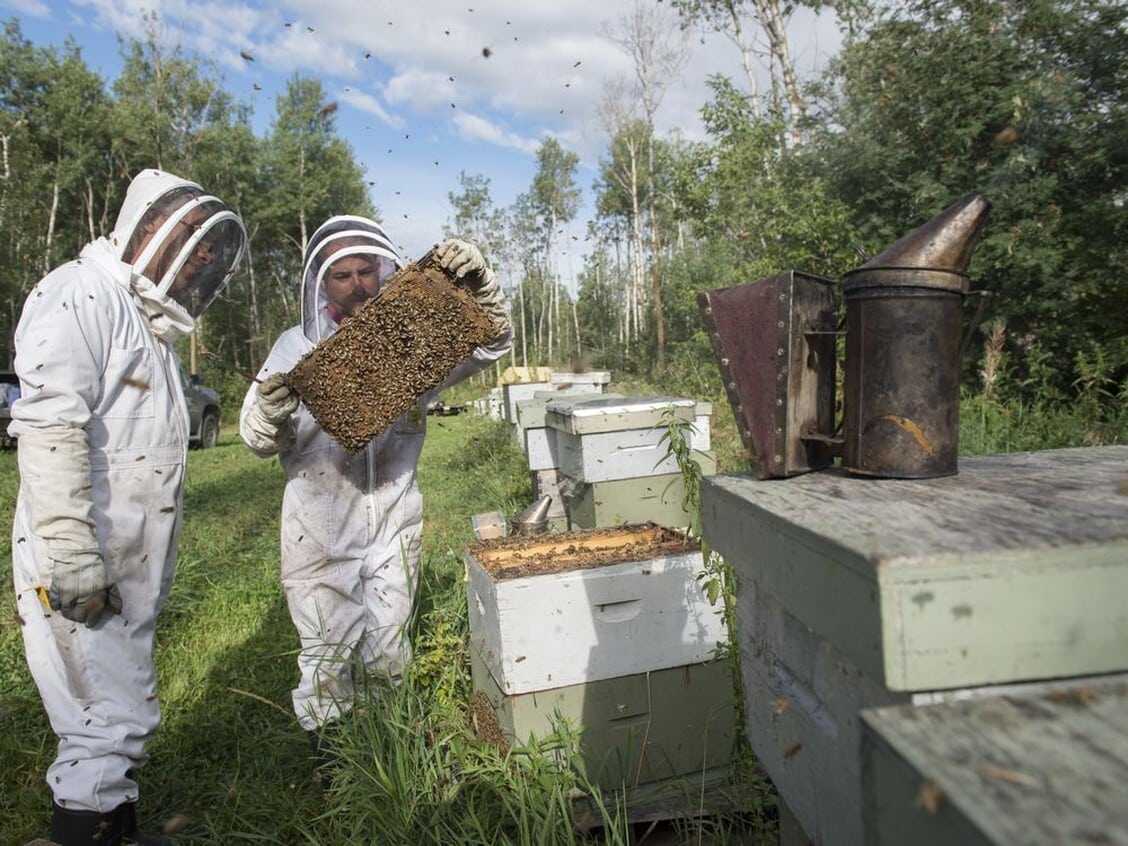
European queen bees: Genetics & Temperament
The European Honey Bee is a single species with many subspecies and strains, each adapted to different climates and breeding goals. UK beekeepers often choose selectively bred queens for calm behaviour, strong brood cycles, and reliable foraging instincts — traits that make them ideal for the UK’s variable weather and diverse flora. Using these high-quality queens ensures a strong start for nucleus colonies in your apiary.
Comparing Key European Honey Bee Strains
British Black vs Carniolan vs Buckfast — Key Differences
- British Black Bee (A. m. mellifera): Native to the UK, known for dark colouring, hardiness and excellent overwinter survival. Ideal for low-input, sustainable beekeeping.
- Carniolan Bee (A. m. carnica): Originating from Central Europe, famous for its gentle temperament, rapid spring build-up and high honey yields. May need more swarm management.
- Buckfast Bee (hybrid A. mellifera strains): Bred at Buckfast Abbey, combining traits from multiple subspecies for productivity, disease resistance and calm behaviour.
All strains excel when paired with overwintered bee nucs or carefully selected local queens.
Overwintering Success & Disease Resistance
All three strains show good overwintering resilience, essential in the UK climate. British Black bees excel in cold tolerance, Carniolans in early-season build-up, while Buckfast bees often show superior varroa resistance and consistent honey yields.
Types of European Queens & Colonies for Sale
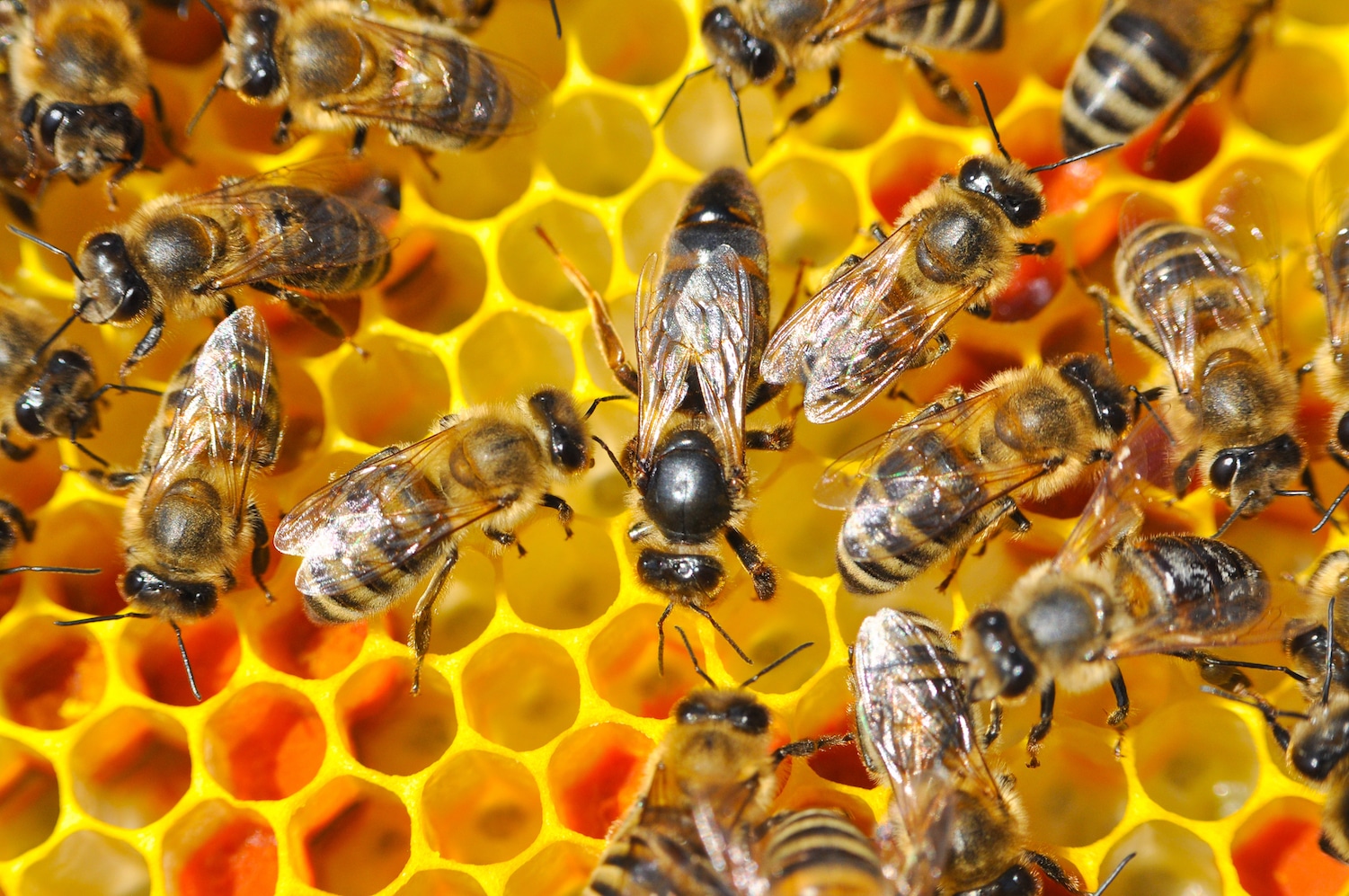
British Black Native/’Nearly-Native’ Queen Bees
Bred for local adaptation and ecological sustainability, these queens appeal to beekeepers wanting UK-native genetics and hardy colonies.
Carniolan Queen Bees for Sale 2025
Popular for their docile temperament and strong spring growth, Carniolan queens perform well in mixed UK forage environments but may need swarm control in warm seasons.
Buckfast Queen Bees for Sale 2025
Favoured by many commercial and hobbyist beekeepers, Buckfast queens offer balanced productivity, calm temperament, and reliable brood patterns.
Buying Options: Queens, Nucs & Starter Colonies
Nucleus Colonies (Nucs): Typically 5-frame hives with brood, stores, and a mated queen — ideal for starting new colonies quickly.
Starter Colonies vs Full Colonies: Starter colonies are smaller and cost less, while full colonies are production-ready with established brood nests.
Virgin vs Mated Queens: Mated queens are immediately productive and lower risk, while virgin queens are cheaper but need successful mating flights.
Queen Cells vs Breeder Queens: Queen cells are inexpensive but less predictable, whereas breeder queens are selectively bred for performance traits.
Purchasing from Reputable UK Suppliers
Check for breeding transparency, overwinter survival data and clear pre-order timelines. Suppliers like Dee Valley Bees prioritise UK-bred stock with collection or arranged delivery to minimise bee stress, supporting responsible beekeeping North West UK.
Local Regulations & Import Rules
UK law restricts importing bees without certification. Buying locally bred queens reduces disease risk and supports UK ecosystems.
Tips for Introducing Your New Bees
- Best Purchase Timing: Spring to early summer ensures colonies grow before winter.
- Introduction Techniques: Use newspaper or slow-release cages to prevent rejection.
- Post-Installation Care: Feed syrup or fondant, monitor brood patterns, and check varroa levels early.
Sustainable Beekeeping with European Bee Genetics
Choosing locally bred queens from established strains reduces import reliance, supports pollination, and helps maintain healthy UK bee populations.
Table: Comparison of European Honey Bee Strains
| Strain | Type | Temperament | Overwintering | Notable Strengths |
| British Black | Subspecies (A. m. mellifera) | Moderate | Excellent | Hardiness, local adaptation |
| Carniolan | Subspecies (A. m. carnica) | Very Gentle | Good | Fast build-up, docile nature |
| Buckfast | Hybrid (A. mellifera strains) | Gentle | Excellent | Productivity, low swarming |
Secure Your European Honey Bee Nuc Today
Starting or expanding your apiary with European honey bees is a rewarding way to enjoy beekeeping while supporting pollination and local ecosystems. By choosing queenright 5-frame nucs from trusted strains like British Black, Carniolan, or Buckfast, you give your colony the best start for strong growth, calm temperament, and excellent overwintering success.
At Dee Valley Bees, our nucs are carefully bred, overwintered and ready to thrive in your UK garden. We provide ongoing support and guidance so you can confidently manage your new colony from day one.
Reserve Your Bee Nuc Now – Limited April–May Availability and start your beekeeping adventure today. Don’t miss the busiest season of the year, secure your healthy European honey bee colony while stock lasts!